
Emergency Dentist — Northborough, MA
Compassionate Care in Your Time of Need

A dental emergency can strike anyone at any time. If one happens to you or a loved one, what should you do? One of your first steps should be to call a trustworthy emergency dentist. Here at Northborough Dental Associates, we are always ready to spring into action to help patients who need urgent care. When your dental emergency starts, get in touch with us right away. We will arrange our schedule to treat you as soon as possible with emergency dentistry in Northborough, MA — probably even on the same day you call. For compassionate care in your time of need, call Northborough Dental Associates.
Why Choose Northborough Dental Associates for Emergency Dental Care?
- Weekend and Evening Appointments Available
- Same-Day Emergency Appointments for Patients In Pain
- Patient Comfort, Safety, & Health Are Our Top Priorities
What to Do in a Dental Emergency

While dental emergencies are typically sudden and alarming, we encourage you to stay calm and follow these steps:
- Call us for a same-day appointment: As soon as it is safe to do so, give us a call so we can make room in our schedule to see you as quickly as possible.
- Get personalized first-aid instructions: Over the phone, our knowledgeable team will walk you through what steps to take to manage your symptoms until you can reach us.
- See your Northborough emergency dentist: When you arrive, one of our experienced dentists will see you right away to evaluate your situation and provide pain relief if necessary.
- Review the results and make a plan: After you’ve been examined, your dentist will fully explain the treatments they recommend and will work with you to create a custom treatment plan.
- Get the fast, professional, and compassionate care you need: Whether you need a filling, tooth extraction, root canal, dental crown, gum disease treatment, or something else entirely, our talented team will get to work right away to repair your smile.
The Most Common Dental Emergencies
Some dental emergencies are the result of a longstanding problem that suddenly announces itself in the form of great pain. Other emergencies are due to a sudden trauma, such as a fall or a hard impact during a sports game. Our team is well-equipped to handle both types of situations. Before you arrive in our dental office, however, there may be a few steps you can take on your own to lessen your discomfort and minimize the damage to your oral health. Read on to learn more about some of the most common dental emergencies we treat.
Understanding the Cost of Treating Dental Emergencies

The cost of treating your dental emergency in our Northborough office will depend on the nature of the problem. For example, if you just need a prescription, you will pay less than if you require root canal therapy or another type of major treatment. During your appointment, we will provide you with upfront pricing information, and we will explain your payment options. We are happy to accept most forms of PPO insurance, and the majority of patients qualify for affordable financing through CareCredit.
Every Dental Emergency Is Different
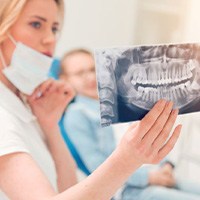
No two dental emergencies are exactly alike, so it is impossible for us to share cost information until after we have had a chance to learn about your situation. An emergency exam is relatively inexpensive, and it can provide us with the knowledge we need to help you get out of pain and back on the path to good oral health.
Some dental emergencies require relatively simple and affordable treatment, such as a small filling or a course of antibiotics. Others require more extensive care, like tooth extractions followed by tooth replacement, crowns, or more. You can count on us to thoroughly explain your options as well as their associated financial obligation.
Does Dental Insurance Cover Dental Emergencies?
In many cases, yes, dental insurance will help cover the cost of a dental emergency. A lot of policies include coverage for one emergency exam each year, and coverage for emergency treatments is also common. Your care might be 50 – 80% covered, depending on the specific procedure you need and the terms of your insurance policy. Our team can help you figure out how your benefits apply and guide you through the process of using them.
Other Options for Making Dental Emergencies Affordable

Insurance is just one provision that might help you mange the cost of a dental emergency. Other resources that you might use include:
- Essential Dental plan: This in-house discount plan provides reduced prices for most of the services performed in our office. It takes just a few minutes to sign up, and you can start using your benefits right away.
- Financing: Our team works with CareCredit and Sunbit to provide low-interest financing for qualified patients. Ask us if you are interested in applying.
Taking Care of Your Smile Can Save You Money
One of the best ways to reduce the cost of emergency dental care is to avoid it altogether! We strongly encourage you to visit us for a cleaning and checkup every six months. At these appointments, we can spot problems that might lead to an emergency later on and address them before they lead to a catastrophe. Professional cleanings can go a long way toward reducing your chance of cavities and gum disease.
Also, keep in mind that you should call us at the first sign of a dental problem. Do not ignore it in the hopes that it will go away. Delaying care could allow a small issue, such as a cavity, turn into a major issue, like a serious tooth infection. Treating the latter costs much more than the former.
How to Prevent Dental Emergencies
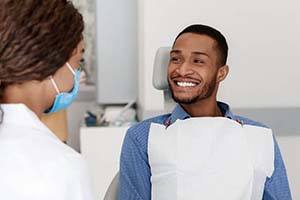
The team at our emergency dental office in Northborough is always ready to assist you if you face a dental emergency. However, we hope you never encounter such a painful and frightening situation. That is why we have put together a list of tips to help you drastically reduce your risk of having to deal with a dental emergency. Applying the advice below has the potential to help you maintain healthy teeth and gums indefinitely.
Visit Your Dentist Regularly
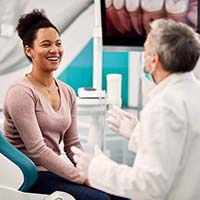
The American Dental Association recommends that everyone visits their dentist once every six months or so. These twice-yearly dental visits serve a number of vital purposes. Regular cleanings remove plaque and tartar from your teeth that might otherwise lead to decay and the toothaches that decay can cause. Checkups allow your dentist to spot and address potential oral health problems while they are still in their oral stages — before they develop into emergencies.
Maintain Good Oral Hygiene Habits at Home

Excellent daily oral hygiene removes plaque from your teeth, thus preventing it from turning into tartar. It also minimizes your risk of dental decay and future toothaches. The primary elements of a good at-home oral hygiene routine include:
- Twice-daily brushing. Be sure to clean the area along the gumline and the backs of your teeth.
- Daily flossing. While some people believe flossing is not necessary, it is actually essential for cleaning the tight spaces between teeth.
- Using fluoridated products. Using a fluoridated toothpaste and/or mouth rinse helps to fortify teeth and replace tiny bits of enamel that get worn away every day due to regular wear and tear.
Stick to a Nutritious Diet

Sugar interacts with bacteria in the mouth to produce harmful plaque and acid. Hence, you should minimize the amount of sugary foods and beverages that you consume. You should also make an effort to eat adequate amounts of tooth-friendly foods, such items that contain a lot of calcium and other important nutrients.
Wear a Mouthguard

You should wear a mouthguard whenever you engage in sports, even sports that are traditionally considered “non-contact.” The mouthguard will greatly reduce your risk of oral injuries, including knocked-out teeth, soft tissue damage, and more. Most sporting goods stores sell mouthguards, but you will enjoy heightened protection and comfort if you opt for a custom one from your dentist.
Use Tools, Not Teeth to Open Packaging

Teeth can seem like a convenient means for opening packages or tearing the tags off of new clothes. However, such a habit is dangerous because it could damage your enamel or even cause your teeth to suffer from chips and cracks. Remember that your teeth are a tool — but they are designed only to help you chew food and speak, not carry out other tasks in your daily life.
Dental Emergency FAQs
Will a toothache go away on its own?
A toothache will generally not go away on its own. That is because teeth cannot heal themselves, so any existing problems are only likely to get worse with time.
However, there are a few exceptions. For example, if the pain is coming from near a tooth, rather than the tooth itself, the discomfort may subside as your body recovers. This can happen if you have a small gum injury or swollen sinuses.
A toothache may also disappear if a tooth dies, rendering it incapable of sending pain signals to your brain. This is not a good thing! The underlying cause of the toothache could continue to damage your oral tissues. Such a situation is a true dental emergency and requires prompt treatment from our Northborough team.
How should I sleep with tooth pain?
If you cannot receive care from your emergency dentist in Northborough right away, you might have to sleep a night or two with tooth pain. These measures might help you get some rest:
- Elevate your head on a couple of pillows. This prevents blood from rushing to the area and worsening your pain.
- Apply a cold compress for 15 - 20 minutes.
- Take over-the-counter pain medicine.
- Apply a topical numbing agent.
- Do not eat hard or crunchy snacks before bed.
Will pulling a bad tooth stop the pain?
Pulling a bad tooth removes its nerve, meaning it can no longer send pain signals to your brain. An extraction can be a permanent way to end your discomfort and open the way for improved oral health.
However, extractions are not always necessary. In many cases, we can treat a toothache and end the pain without removing the tooth. This is often possible through root canal therapy and other restorative measures.
Our team will review your treatment options with you so you can make a well-informed decision about how to address the situation.
Should I visit the emergency room first for dental emergencies?
If you have a broken or dislocated jaw, if you are bleeding profusely, or if you have any severe or life-threatening symptoms (like a high fever or difficulty breathing), you should absolutely go to the local emergency room for treatment. Afterward, you can see us for follow-up care.
In almost all other situations, you should visit us rather than the emergency room. For most dental problems, such as toothaches, abscesses, lost crowns, and more, the professionals in the emergency room cannot do much. They do not have the training or equipment to care for you. They would likely just provide advice on pain management and tell you to visit your dentist as soon as possible.
Should I worry about a chipped tooth if it does not hurt?
Even if a chipped tooth does not hurt, you should still see a dentist as soon as you can. Without timely care, the damage could easily worsen. You could end up with an infection, or the tooth could continue to break. Plus, its jagged edges might irritate your soft oral tissues. Our team can assess the damage and repair the tooth before it leads to a painful problem down the road.
More to Explore
Preventive Dentistry Restorative Dentistry Dental Implants Cosmetic Dentistry Orthodontics View Our Services