
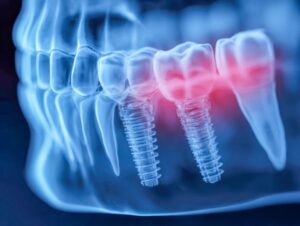
You might be used to sensitivity in your natural teeth. This is a common sensation, and it can occur when you eat hot or cold foods or even when you step outside in chilly weather. Although you should speak to your dentist about it, it is not usually a big deal unless it is very severe. But what if you notice sensitivity in one of your dental implants? Why might that happen, and is it something to worry about? This blog post explains what you should know.
Where Is the Sensitivity Coming From?
Dental implants are not living tissues; they lack nerves, so they technically cannot experience sensitivity. However, it might feel as if one of your implants is sensitive when there is a problem in the surrounding tissues.
For example, sensitivity might occur if:
- You have a sinus infection or congestion. Pressure in your sinuses may irritate your upper jaw, which can feel like a dental problem in some cases.
- A nearby tooth has a problem. It is not always easy to pinpoint the exact source of pain and sensitivity. It is possible that what feels like sensitivity in an implant is actually coming from a cavity or infection in an adjacent tooth.
- The tissue around the implant is infected or damaged. The gums and bone around an implant can develop a condition known as peri-implantitis. This can cause pain, sensitivity, and even lead to dental implant failure.
What Should You Do?
Any unusual symptoms around a dental implant are a good reason to call your dentist. Describe the details of what you are experiencing so they can guide you on your next steps. They will likely urge you to come in for an appointment as soon as you can.
During your visit, your dentist will examine your implant and your oral tissues to determine the cause of the problem. Then, they can recommend an appropriate treatment. You might need something relatively simple, such as a filling for a nearby tooth. However, there is also a chance that more extensive care will be necessary.
If you have peri-implantitis, antibiotics and other restorative actions might be able to stop the infection before it causes total implant failure. However, if the infection is advanced, you might need to get the implant completely removed. Later, after a recovery period and any necessary additional procedures, you may be able to get a new one.
Sensitivity in a dental implant should not be ignored! Take prompt action so you can continue to enjoy the benefits of sturdy and strong tooth replacement.
Meet the Practice
At Northborough Dental Associates, our highly skilled team offers a broad range of services in a pleasant environment. We are even able to perform start-to-finish dental implant treatment, as well as dental implant maintenance. If you have concerns about one of your implants or just want to learn more about this form of tooth replacement, we are ready to welcome you into our office for a consultation. Schedule an appointment by contacting us at 508-571-0358.